
📅 Updated January 2026: This comparison includes Shopify's Winter '26 AI features (Sidekick), Adobe Commerce's new release schedule, and the latest pricing for both platforms.
Platform Overview: Magento, Adobe Commerce, Shopify, Shopify Plus
Magento Open Source is a self-hosted eCommerce platform for teams that want maximum control over code, hosting, and architecture. It’s a strong fit when you need deep customization and ownership of your stack, but it comes with a bigger engineering burden: you’re responsible for infrastructure, security patching, upgrades, performance tuning, and ongoing maintenance.
Adobe Commerce (formerly Magento Commerce) is the enterprise edition built for complex B2C and B2B scenarios—think advanced pricing, multi-store setups, and mature workflows. It adds enterprise capabilities and services such as AI-powered product discovery (e.g., Adobe Sensei-driven recommendations and Live Search), B2B functionality, and support/SLAs, and it’s designed to integrate tightly with the broader Adobe ecosystem.
Shopify is a SaaS platform optimized for speed-to-market and operational simplicity. It provides hosting, security, and core commerce out of the box, plus a large app ecosystem to extend functionality. Shopify works best when your business can align with the platform’s conventions and constraints (especially around deep backend customization).
Shopify Plus is Shopify’s enterprise offering for high-growth and larger brands that need stronger governance, automation, and scalability. It expands what you can do with Shopify through more advanced features for organizations (permissions, workflows, B2B capabilities, and extensibility options), while keeping the managed SaaS model and fast iteration pace.
What's the difference between Magento and Shopify?
Magento (Adobe Commerce) and Shopify are fundamentally different eCommerce platforms designed for different business needs. Shopify is a fully hosted SaaS platform optimized for speed-to-market, operational simplicity, and managed infrastructure. It handles hosting, security, and updates automatically, making it ideal for businesses that want predictable costs and fast launch times. Magento, particularly Adobe Commerce, is a self-hosted or cloud-hosted platform offering maximum customization and control over code, architecture, and business logic. It excels when businesses need complex B2B features, custom checkout flows, deep integrations with ERP/CRM systems, or multi-store operations with unique requirements. Shopify prioritizes ease of use and managed operations; Magento prioritizes flexibility and ownership with higher technical responsibility.
Magento vs Shopify in 2026: Which eCommerce Platform Fits Your Business?
Shopify is the fastest path to launch and scale with a managed platform and built-in AI tooling, especially for DTC and “standard” commerce setups. Magento Open Source and Adobe Commerce are best when you need deep customization, complex integrations, or advanced B2B logic, especially if you want more control over architecture, data, and frontend choices like Hyvä or headless.
Magento is for businesses that need a tailor-made suit for a unique body. Shopify is for those who need high-quality ready-to-wear.
Quick verdict
- Choose Shopify if you want speed, predictable ops, AI assistance, and fast experimentation with minimal platform maintenance.
- Choose Shopify Plus if you’re scaling fast and need enterprise governance, B2B features, and deeper automation, SaaS.
- Choose Magento Open Source if you need maximum flexibility and full ownership, and you’re ready to invest in engineering + maintenance.
- Choose Adobe Commerce if you need enterprise-grade B2B and platform services (e.g., AI-powered search/recommendations) with SLAs and a broader Adobe ecosystem.
What’s new in 2026 (and why it changes the comparison)
Shopify: AI becomes an operating layer inside the platform
Shopify’s Winter ’26 update isn’t just “more AI features”, it’s AI embedded into day-to-day store operations through Sidekick.
Concrete Sidekick use cases Shopify highlights:
- Sidekick Pulse delivers proactive insights and “next steps” using your store data plus market trends.
- Custom app generation: Sidekick can generate purpose-built internal apps from prompts (Shopify’s own examples include reorder recommendations, a team task tracker, checking returns/cancellation eligibility, generating discounted checkout links for events, and bulk B2B company importers from CSV).
- Workflow automations: describe the workflow → Sidekick builds it in Shopify Flow.
- Custom analytics reports: Sidekick can generate reports/visualizations inside ShopifyQL tooling.
- Segmentation: assistance creating customer segments (or generating them from scratch).
- Creative + merchandising ops: generating theme edits; product image editing (background changes, adding/removing elements, expanding canvas); and email editing in Shopify tools.
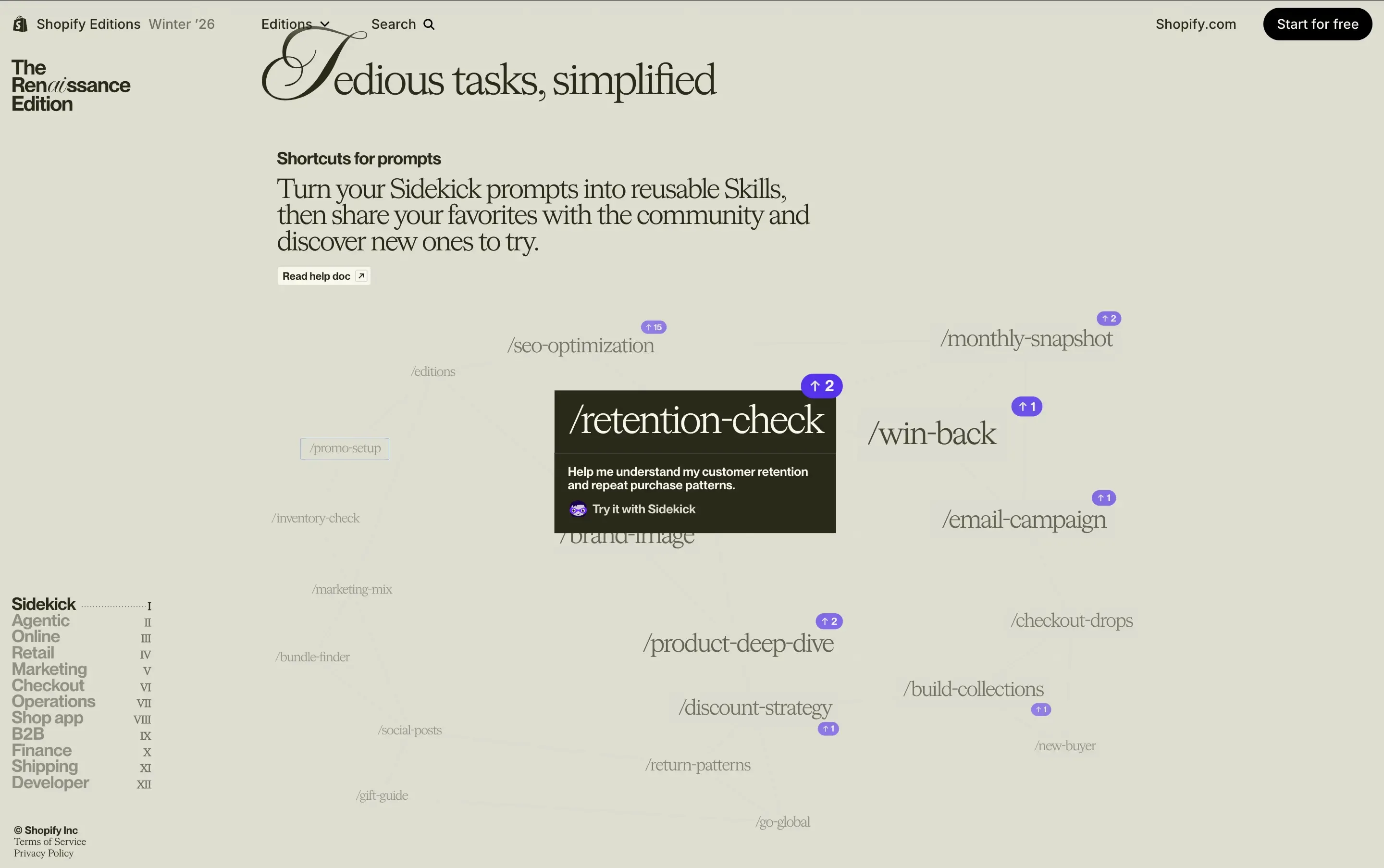
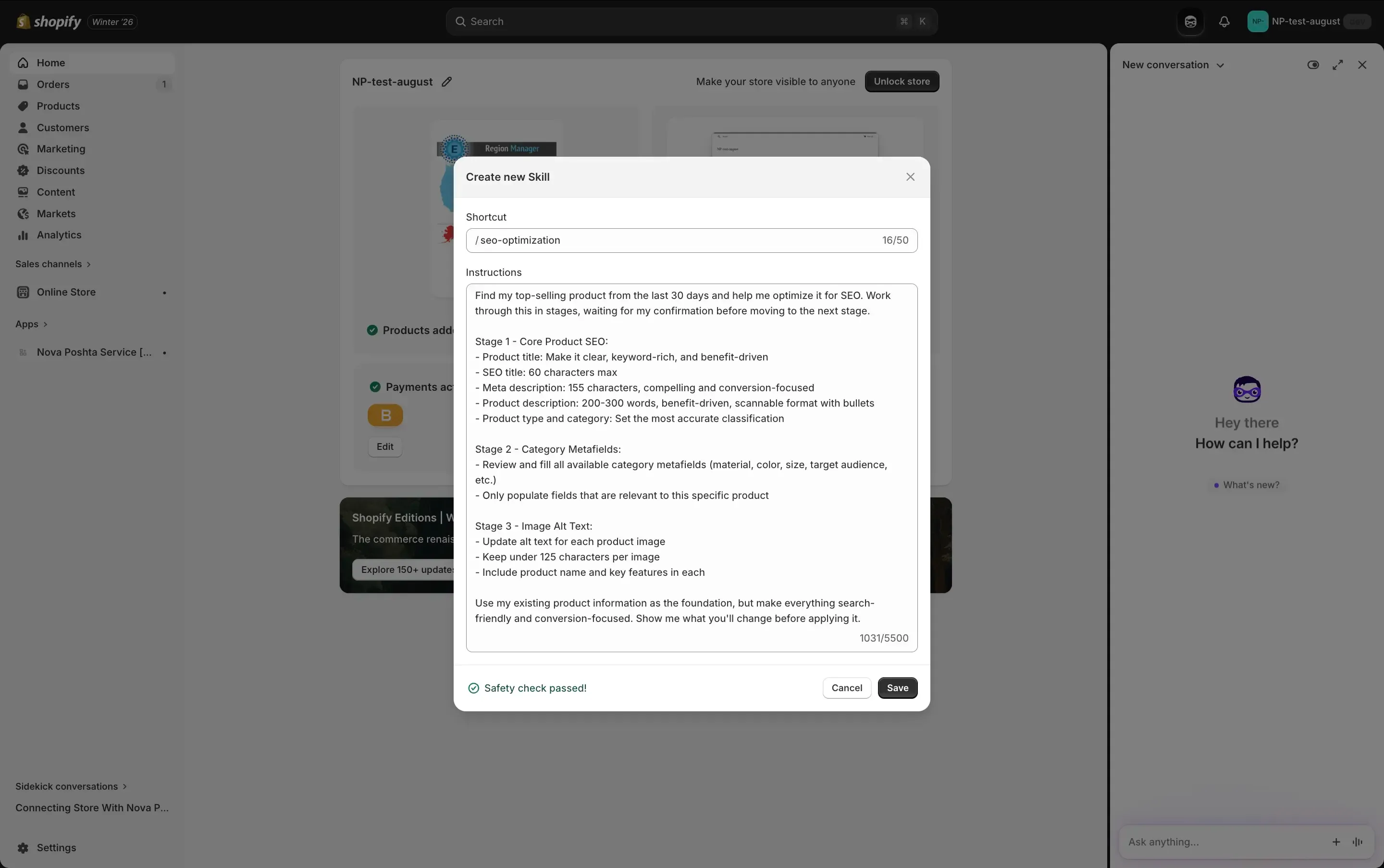
- Turning prompts into reusable “Skills” (prompt shortcuts you can reuse and share).
To give it a try go to Shopify’s Winter ’26 update and click on an interesting case. It comes with prebuild prompt.
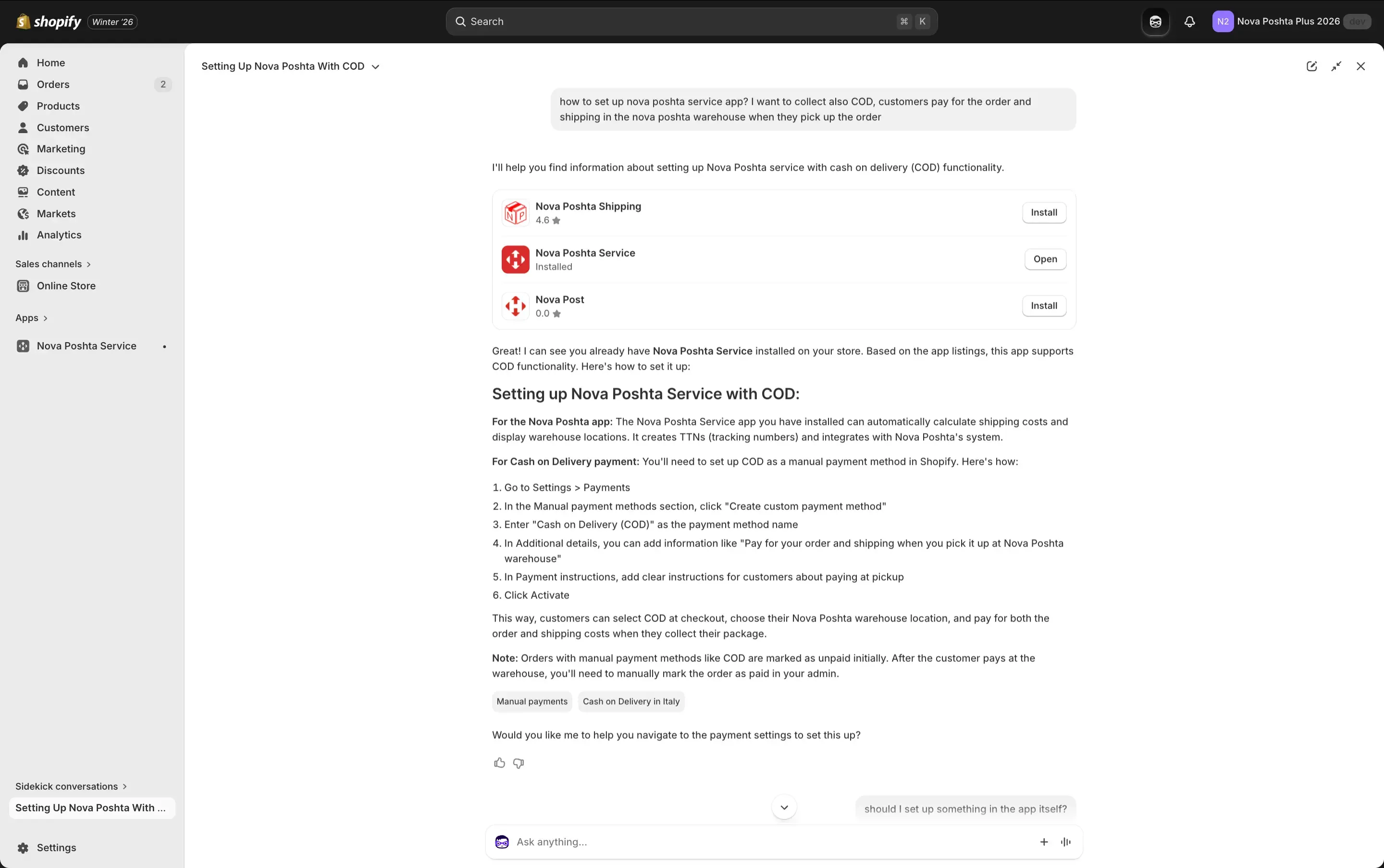
- App discovery in Sidekick: merchants can find/install apps directly in Sidekick, and Shopify notes Built for Shopify apps get stronger visibility/badging. Sidekick also help to set up apps.
From our experiance Sidekick can also help with bug fixing. If you share an error with Sidekick it comes with ideas how to fix it.
Also worth mentioning as “2026 operational tooling,” because it’s not common in most platforms:
- Rollouts: scheduled theme releases + A/B testing built into the admin.
- SimGym: AI “shoppers” simulate buyer behavior and report patterns (navigation, add-to-cart, cart value), positioned as a pre-launch validation tool.
Shopify: Agentic commerce becomes a real channel (discovery + checkout in AI chats)
This is the biggest 2026 shift: Shopify explicitly frames AI chats as a place where people discover and buy.
- Agentic Storefronts: Shopify positions this as a way to manage how your brand appears in AI chats and make products discoverable in tools like ChatGPT, Microsoft Copilot, and Perplexity, with more channels coming.
- Shopify’s help docs describe agentic storefronts as enabling customers to purchase and check out directly in AI channels, and note you can control which channels are enabled in Shopify admin.
- OpenAI says Instant Checkout is available to logged-in Free and Pro/Plus users in the United States, currently enabled on eligible Etsy items and select Shopify merchants, with more coming.
Our practical guide to “being recommendable” in AI answers, beyond classic SEO
Shopify: “MCP concepts” move from buzzword to productized developer tooling
Winter ’26 also pushes agentic commerce on the developer side:
- Shopify frames “Agentic Commerce” as building shopping into AI conversations using Shopify Catalog API + Checkout MCP from a “Dev Dash.”
- Shopify’s developer docs introduce an “agentic commerce” approach with MCP tooling aligned to an open protocol (“UCP”) concept. Build unified agentic experiences that can securely act on behalf of users by leveraging Shopify MCP servers and Universal Commerce Protocol (UCP).
Adobe Commerce (Magento): what’s new in 2026 (and how it compares to Shopify’s shifts)
1) Adobe has an AI Assistant too but it lives in Experience Cloud (not inside Commerce admin like Sidekick)
If Shopify Sidekick is “AI inside Shopify admin, avaliable for all Shopify plans” Adobe’s closest equivalent is AI Assistant in Adobe Experience Platform (and connected apps) and obviously not avaliable to Magento Open Source.
- Adobe positions AI Assistant in Experience Platform as a conversational tool to accelerate workflows like understanding data, generating audiences, and optimizing campaigns.
- Adobe AI Assistant supports Experience Platform, Real-Time CDP, Adobe Journey Optimizer, and Customer Journey Analytics (and it can help with product knowledge + troubleshooting + operational insights)
- Adobe AI Assistant is launched in the UI across Experience Cloud apps
Comparing to Shopify:
- Similar: both ecosystems push a “conversational layer” to speed up work.
- Different: Shopify’s Sidekick is framed as store operations + execution inside commerce admin (apps, Flow, theme edits). Adobe’s AI Assistant is framed as data + audiences + journeys + analytics across Experience Cloud. Shopify Sidekick is far more affordable as it's avaliable to all Shopify merchants.
2) Adobe doubles down on AI-powered commerce services (search/merchandising) instead of “agentic storefront distribution”
One very concrete “AI in Commerce” capability Adobe highlights is Live Search (a Commerce service).
- Adobe describes Live Search as enabling AI-powered dynamic faceting and re-ranking based on in-session shopper behavior, delivered as a lightweight SaaS service included in the license.
- Intelligent ranking (e.g., “recommended for you”, “most viewed”) and notes eventing requirements depending on implementation
Comparing to Shopify:
- Shopify’s big 2026 move is AI chat discovery + checkout in AI channels (Agentic Storefronts, Catalog/Checkout MCP messaging).
- Adobe’s 2026 emphasis is more about making the storefront experience smarter (search + personalization services) and improving enterprise-grade operations through services and platform governance.
- Net: Shopify = distribution channel shift (AI chats). Adobe = experience + merchandising intelligence shift (services inside Commerce + Experience Cloud).
3) Operational cadence becomes more predictable (important “what changed” for 2026)
Adobe states that beginning January 2026, Adobe Commerce moves to a monthly patch release schedule with a defined strategy for security fixes and patch types
4) Adobe Commerce as a Cloud Service and Adobe Commerce Optimizer
Adobe Commerce as a Cloud Service is positioned as a way to “rapidly scale digital operations” with infrastructure that automatically adjusts resources to meet peak demand (traffic, orders, catalog operations). No more stress with version upgrades. But it's hard to say how it works in the reality as there are not so many (compared to Shopify) use cases.
Adobe Commerce Optimizer (2026)
Adobe Commerce Optimizer is positioned as a way to upgrade performance and merchandising without migrating off your existing commerce platform: Adobe describes it as a high-performance storefront plus catalog and merchandising capabilities that can work with “any ecommerce platform,” including GenAI-powered content creation, A/B testing, and AI-powered merchandising.
While the demo is impressive and promising, more use cases are needed to evaluate its value.
Magento vs Adobe Commerce vs Shopify vs Shopify Plus (2026 comparison table)
| Criteria | Magento Open Source | Adobe Commerce | Shopify | Shopify Plus |
|---|---|---|---|---|
| Ideal company stage | Scale-up → enterprise with in-house/partner engineering | Mid-market → enterprise with complex requirements | Startup → mid-market, fast launch | High-growth → enterprise needing governance + scale |
| B2C / B2B maturity | Strong B2C; B2B possible via extensions/custom | Best-in-class B2B: roles, quoting, company accounts, complex pricing | B2C strong; B2B depends on setup/apps | Stronger B2B features + workflows; still SaaS constraints |
| How easy is it to launch a store? | Can be quick with a prebuilt stack / 1-click deployment; not hard, but more technical (hosting + theme setup). Hyvä accelerates performance-ready storefronts, but theme setup is typically not DIY. | Launch speed depends on scope; usually includes enterprise requirements (B2B, integrations, governance), so time-to-launch is driven by complexity more than tooling. | Most DIY-friendly. Themes + apps can be launched without developers; Sidekick helps merchants execute admin tasks faster. | Not usually DIY due to org setup/integrations, but still faster than most enterprise platforms for go-live. |
| Customization ceiling | Highest (full code/infrastructure control) | Very high + enterprise services | Moderate (within platform rules) | Higher than Shopify (more extensibility), still bounded |
| TCO predictability | Lower license cost, less predictable ops cost | Higher license, more predictable enterprise support path | Predictable subscription + app stack | Higher subscription, still predictable vs self-hosted |
| Checkout flexibility | High (own checkout logic possible) | High + enterprise control | Limited vs self-hosted (platform-governed) | More options than Shopify; still governed (depends on needs) |
| Integration depth (ERP/CRM/PIM) | Excellent (API-first + custom) | Excellent (enterprise integration patterns) | Good via apps/APIs; heavy ERP can get complex | Better governance + APIs; still app-driven |
| Globalization (multi-store, tax, currency) | Strong multi-store, multi-site | Strongest for multi-brand ecosystems | Strong built-in markets features | Stronger org-level controls for global ops |
| Performance options | Variable; can be excellent with Hyvä / headless | Same as Magento + services | Usually consistent “good enough” baseline (depends on theme/apps) | Similar; often more optimization focus |
| AI assistance (merchant-facing) | No native “admin copilot” by default; typically via apps or custom workflows | AI capabilities often strongest when paired with Adobe ecosystem/services (e.g., search/merchandising tooling) | Sidekick accelerates admin work (workflows, reporting, setup guidance) | Same Sidekick benefits at enterprise scale (process + governance) |
| AI visibility (AI answers / chat discovery) | Strong potential if you implement: clean product data + schema + feeds + API readiness (more control, more responsibility) | Similar potential + enterprise data governance; strong when product data is well-structured | Shopify is pushing an “agentic” direction; visibility still depends on catalog/data quality and content | Same, plus governance helps keep data consistent across teams/markets |
| Security & compliance posture | Your responsibility (hosting/patching/ops) | Enterprise support + SLAs | Managed by Shopify (SaaS model) | Managed + enterprise governance features |
| Support | Community + partner/agency support; no vendor SLA in OS | Enterprise support + SLAs + partner ecosystem | Platform support + ecosystem; Sidekick reduces many routine requests that previously needed support/dev tickets | Similar, with more enterprise process expectations; Sidekick still reduces “how do I…” requests |
| Ecosystem & talent availability | Large but more specialized | Enterprise-focused ecosystem | Huge app/partner ecosystem | Strong enterprise partner ecosystem |
Which platform is faster: Shopify or Magento?
Shopify delivers superior out-of-the-box performance compared to Magento's default Luma theme, making it the faster choice for most standard eCommerce stores. However, when Magento is optimized with modern frontend technologies like Hyvä Themes, the performance gap narrows significantly. For stores experiencing performance limitations with either platform's standard implementation, headless architecture using React (Next.js) or Hydrogen provides the highest performance ceiling, though with increased complexity and development costs.
Out-of-the-Box Performance Comparison
Shopify's Performance Strengths:
Shopify's managed SaaS infrastructure delivers consistent, reliable performance right from launch. The platform handles hosting optimization, CDN configuration, and caching strategies automatically, ensuring merchants get solid baseline performance without technical intervention. For most small to mid-sized businesses, Shopify's default performance is sufficient for their traffic levels and operational needs.
Magento Luma's Performance Reality:
Magento's default Luma theme, while functional, was not designed with modern performance standards in mind. Stores using Luma often require significant optimization work around caching (Varnish, Redis), server configuration, database tuning, and frontend asset optimization to achieve competitive page load times. This makes Luma-based stores generally slower than Shopify out-of-the-box and requires ongoing technical maintenance.
Performance with Modern Magento Frontends (Hyvä Themes)
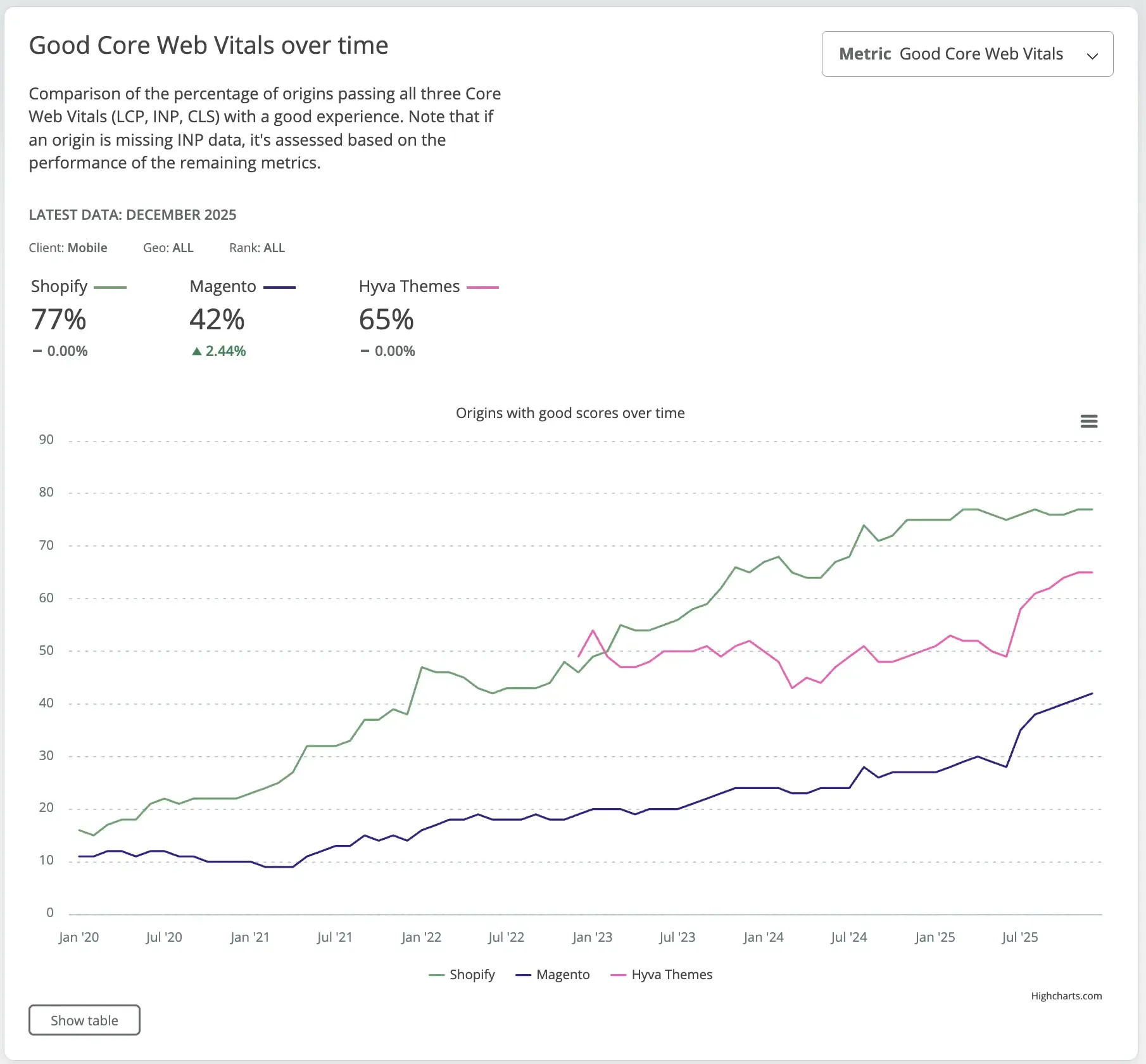
Hyvä Themes represent a fundamental shift in Magento frontend architecture, built specifically for performance from the ground up. By eliminating JavaScript bloat and using Alpine.js and Tailwind CSS, Hyvä dramatically improves Magento's frontend speed:
- 50% faster load times compared to Luma-based implementations
- Reduced third-party JavaScript dependencies
- Better Core Web Vitals scores across mobile and desktop
- Simplified maintenance and lower total cost of ownership
According to aggregated performance data from real-world implementations, Hyvä-powered Magento stores perform competitively with standard Shopify stores, though Shopify still maintains a slight edge in raw performance metrics for comparable implementations.
When Standard Performance Reaches Its Limit
Both Shopify and Magento can encounter performance ceilings as stores scale, particularly when handling:
- High concurrent user volumes (thousands of simultaneous shoppers)
- Large product catalogs (100,000+ SKUs)
- Complex personalization and recommendation engines
- Heavy third-party integrations and tracking scripts
- Advanced merchandising logic and dynamic pricing
Real-World Shopify Frontend Performance Limitation Example: Mr Marvis
Mr Marvis, the largest Shopify store in the Netherlands, experienced this scaling challenge firsthand. As their traffic grew and they added more personalization features, their native Shopify Liquid theme began showing performance degradation, with page loads reaching approximately 5 seconds even on high-speed connections.
The solution: migration to headless architecture using Next.js (React-based custom frontend) while maintaining Shopify Plus as the backend. This reduced page load times to 2 seconds—a 60% improvement—while enabling advanced personalization features that weren't feasible with the standard Shopify frontend. View the full Mr Marvis case study.
Headless Architecture: The Ultimate Performance Solution
When performance becomes a competitive differentiator, both platforms can leverage headless architecture:
For Shopify:
- Shopify Hydrogen (React-based framework with Oxygen hosting)
- Custom React/Next.js implementations (like Mr Marvis)
For Magento:
- Vue Storefront (Alokai) for full headless PWA capabilities
- Custom React/Next.js frontends
- Decoupled frontend with full control over performance optimization
Performance Comparison: Real-World Data
Based on performance benchmarking across eCommerce platforms, here's how different implementations compare:
Standard Implementations:
- Shopify (default themes): Consistently good performance, typically passing Core Web Vitals on both desktop and mobile
- Magento Luma: Variable performance, often requires optimization to pass Core Web Vitals
- Magento with Hyvä: Competitive with Shopify, strong Core Web Vitals scores
Optimized/Headless Implementations:
- Shopify Hydrogen: Excellent performance with SSR optimization
- Custom React (Next.js): Best-in-class performance when properly implemented (as demonstrated by Mr Marvis)
- Magento Headless (Vue Storefront): High performance with PWA capabilities
Performance vs. Complexity Trade-off
Choose standard Shopify if:
- You need reliable performance without technical overhead
- Your store operates at small to medium scale
- You prefer managed infrastructure and automatic optimization
- Development resources are limited
Choose Magento with Hyvä if:
- You need customization flexibility with strong performance
- You have technical resources for theme implementation
- You want to balance control with optimized frontend delivery
- Long-term performance is critical to your business model
Choose headless (Shopify or Magento) if:
- Performance is a competitive differentiator for your brand
- You're experiencing performance limitations with standard implementations
- You have complex personalization requirements
- You have internal development resources or agency partnership
- You're prepared for higher development and maintenance costs
Shopify wins for out-of-the-box speed and simplicity. If you want predictable, managed performance without technical overhead, Shopify delivers the best default experience.
Magento with Hyvä offers competitive performance with greater customization. When properly implemented, Hyvä-powered Magento stores perform nearly on par with Shopify while offering significantly more control over business logic and frontend flexibility.
Headless architecture provides the highest performance ceiling for both platforms, but requires substantially higher investment in development, maintenance, and technical expertise. This approach makes sense when performance becomes a revenue driver, not just a technical metric.
Pricing in 2026: subscription vs license vs “everything else”
Shopify / Shopify Plus pricing is subscription-based but the total can change a lot once you add apps, paid themes, and a payment strategy.
Does Shopify pricing vary by country? Yes, Shopify pricing varies by country, for instance Basic Shopify costs €21/mo in the Netherlands and €19/mo in Romania.
- Netherlands example: Basic €21/mo, Grow €59/mo, Advanced €289/mo, Plus from €2,100/mo (billed yearly).
- Shopify also applies third-party transaction fees if you use an external payment provider. On the NL pricing page, Shopify lists 2% (Basic), 1% (Grow), 0.6% (Advanced).
Magento Open Source has no platform license fee, but you pay for build + hosting + maintenance + upgrades + extensions + DevOps. For detailed Magento cost breakdown and typical ranges checkout our blog post here.
Adobe Commerce adds a license (quote-based) and enterprise support path. In our cost guide we use a common planning benchmark of $22,000+/year for Adobe Commerce license and $40,000+/year+ for Adobe Commerce on Cloud (final pricing is quote-based and depends on GMV and requirements).
How to read this as a business buyer:
- Shopify/Plus = predictable base cost, but watch app sprawl + payment fees.
- Magento OS = no license, but expect higher responsibility and variance in operations.
- Adobe Commerce = higher baseline, but more enterprise-grade path for complex orgs.
Payment processing and fees: why “platform fees” matter in Shopify (and usually don’t in Magento)
Payment processing and fees: why “platform fees” matter in Shopify (and usually don’t in Magento)
Shopify / Shopify Plus
Shopify distinguishes between:
- payment provider fees (card rates etc.), and
- third-party transaction fees if you use an external payment provider instead of Shopify Payments.
Shopify explains third-party transaction fees and when they apply here.
Let's check Shopify payments on example of the Netherlands. According to the NL pricing page, Shopify explicitly lists the third-party transaction fee percentages by plan (2% / 1% / 0.6%).
What this means in practice: Around 70% of online consumers in the Netherlands regularly use iDEAL for eCommerce. But to connect iDEAL for your NL store, you'll need to use Shopify Payments and meet specific eligibility requirements:
- You must have fulfilled more than 100 orders
- Your store must have completed the trial period and be on an active Shopify subscription plan for at least 90 days
- You must have completed identity verification for Shopify Payments
- Your Shopify Payments chargeback rate for all time must be less than 1%
How you can start selling and accept apyments with iDEAL immidiatelly without waiting for 3 months and 100 orders? You can use payment processor, like Mollie.
Magento doesn't have such restrictions.
Magento Open Source / Adobe Commerce
Magento/Adobe typically don’t add a built-in “platform transaction fee.” You pay your PSP/gateway fees and the cost of setup/maintenance. The tradeoff is ownership: more flexibility and more responsibility.
Shipping and pickup-point selection at checkout
Shopify / Shopify Plus
Shopify has multiple ready integrations with Shipping providers. It seems to be super easy but to display calculated shipping cost (from thirt-party shipping not Shopify Shipping or partners) Shopify requires activating third-party carrier-calculated shipping (CCS). Which is included in the Shopify Plus and Advanced plans. On the Grow plan, CCS is available either by switching to yearly billing or by paying an extra $20 per month on monthly billing. CCS is not available on Basic, Starter, or any other plans.
With our Shopify app Nova Poshta Service (Nova Post delivers daily 1.5M parcels across Ukraine and globally) we faced a practical constraint: showing a pickup-point / branches dropdown directly inside checkout is available just for Shopify Plus plan.
So for non-Plus stores, you often need alternative patterns within Shopify’s governed checkout model (extensions where possible, or a selection step outside the main checkout UI).
It may seems very nuanced but it's important to consider Shopify limitations.
Magento Open Source / Adobe Commerce
Magento/Adobe don’t have plan-gated checkout ownership in the same way. If your shipping provider requires pickup selection inside checkout, you can implement it — but you budget for development + QA + long-term compatibility.
Hyva Checkout is an option to consider if you are looking for fast and cost efficient checkout from the development and support perspective.
Design and themes
DIY speed vs full UX freedom (and how Sidekick changes Shopify workflows)
Shopify / Shopify Plus
Shopify is built for rapid storefront iteration with themes and the theme editor. Winter ’26 goes further: Shopify highlights that Sidekick can generate theme edits — you describe the change, it updates the theme. This is a meaningful shift for business teams: fewer tickets for routine edits, faster experimentation, and quicker visual iteration.
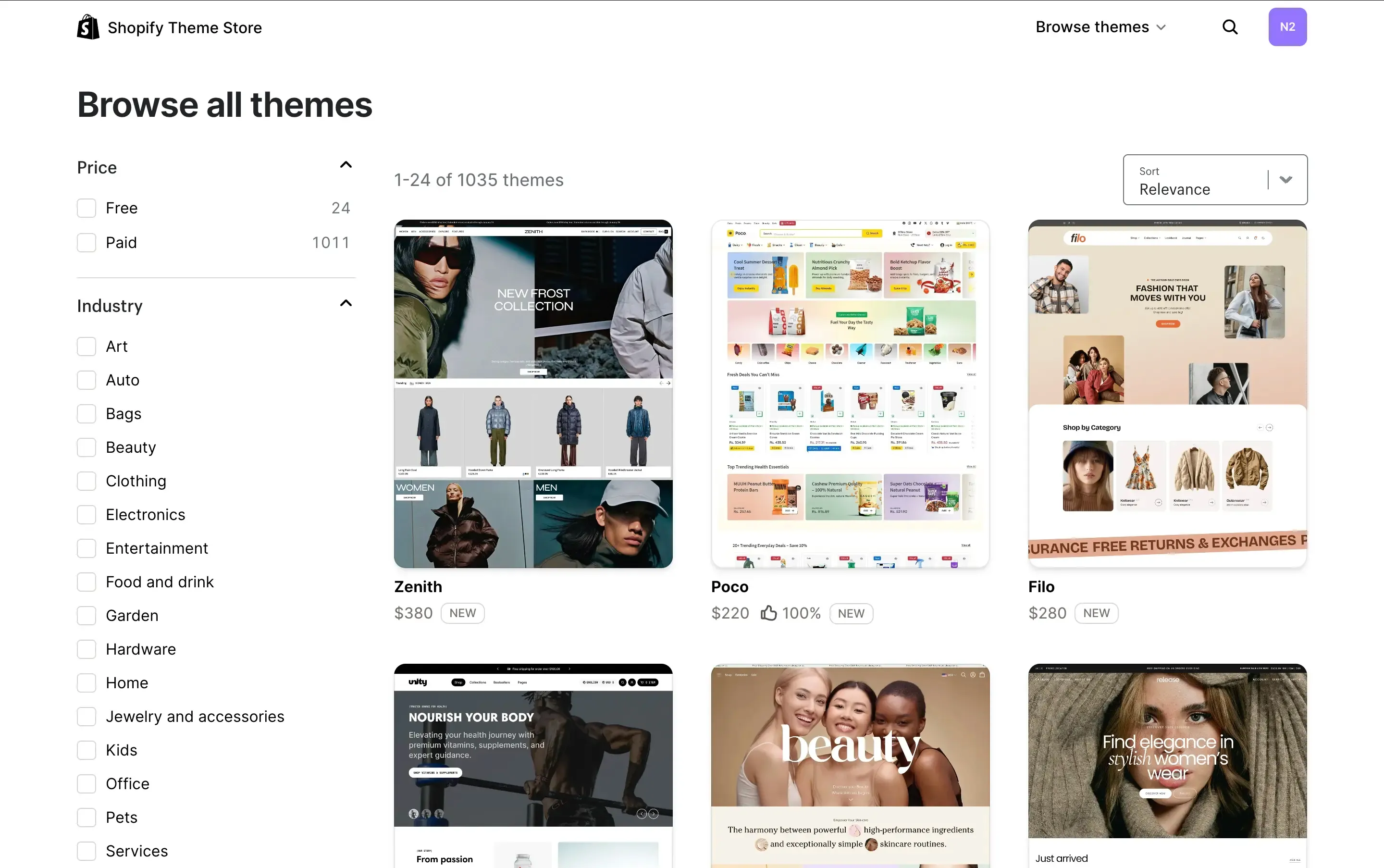 Now you can generate a free Shopify theme on your request, right in the Shopify.


Magento Open Source / Adobe Commerce
Magento/Adobe gives you far more freedom in UX and storefront architecture, especially when you need unique category structures, complex merchandising rules, or multi-brand experiences. The tradeoff is that theme work is generally not DIY: you usually need a technical team to implement and maintain the frontend.
There are just a few Themes at Adobe Marketplace but you can find more on third-party marketplaces.
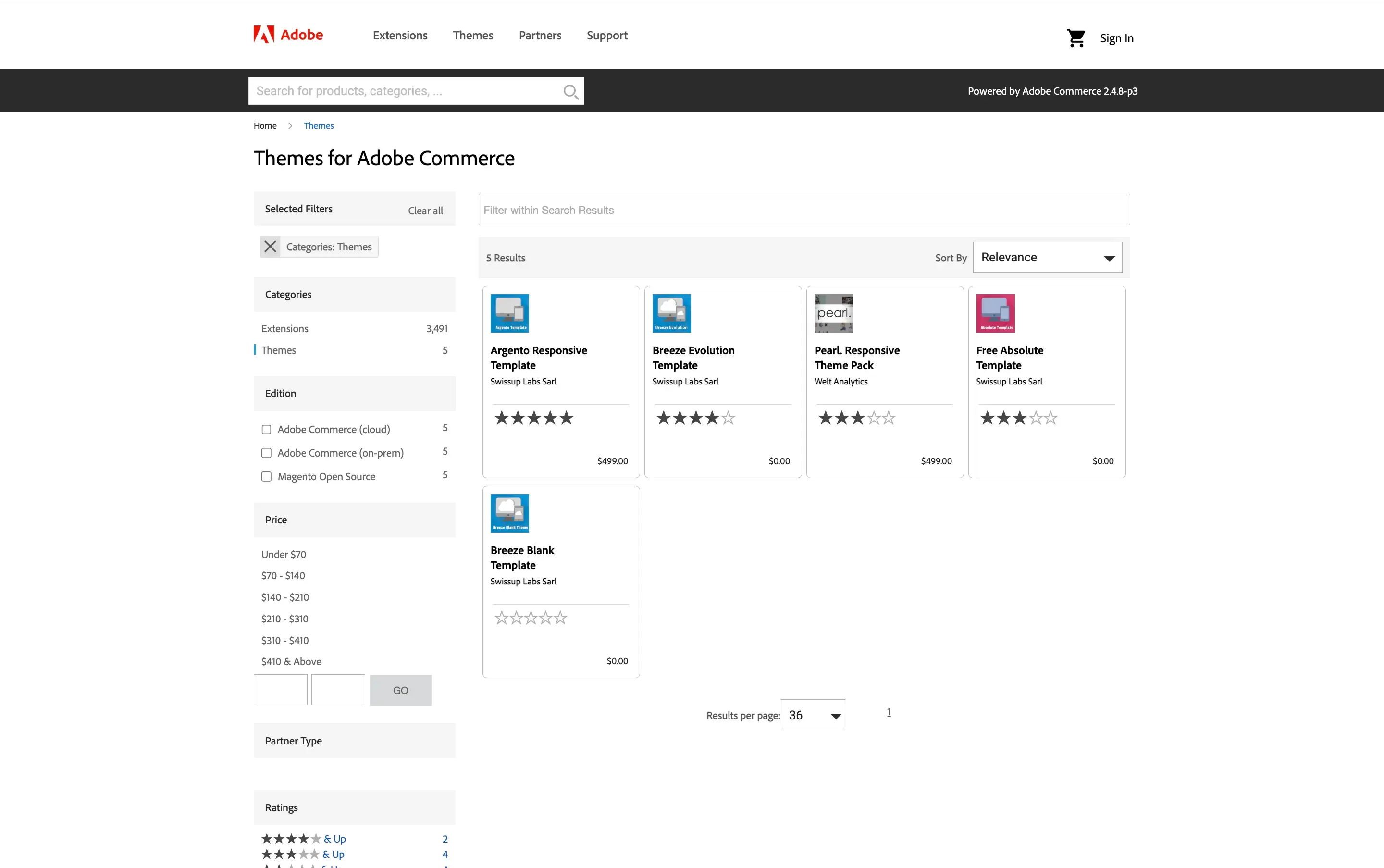 Or use Hyva Theme, which is open source and free.
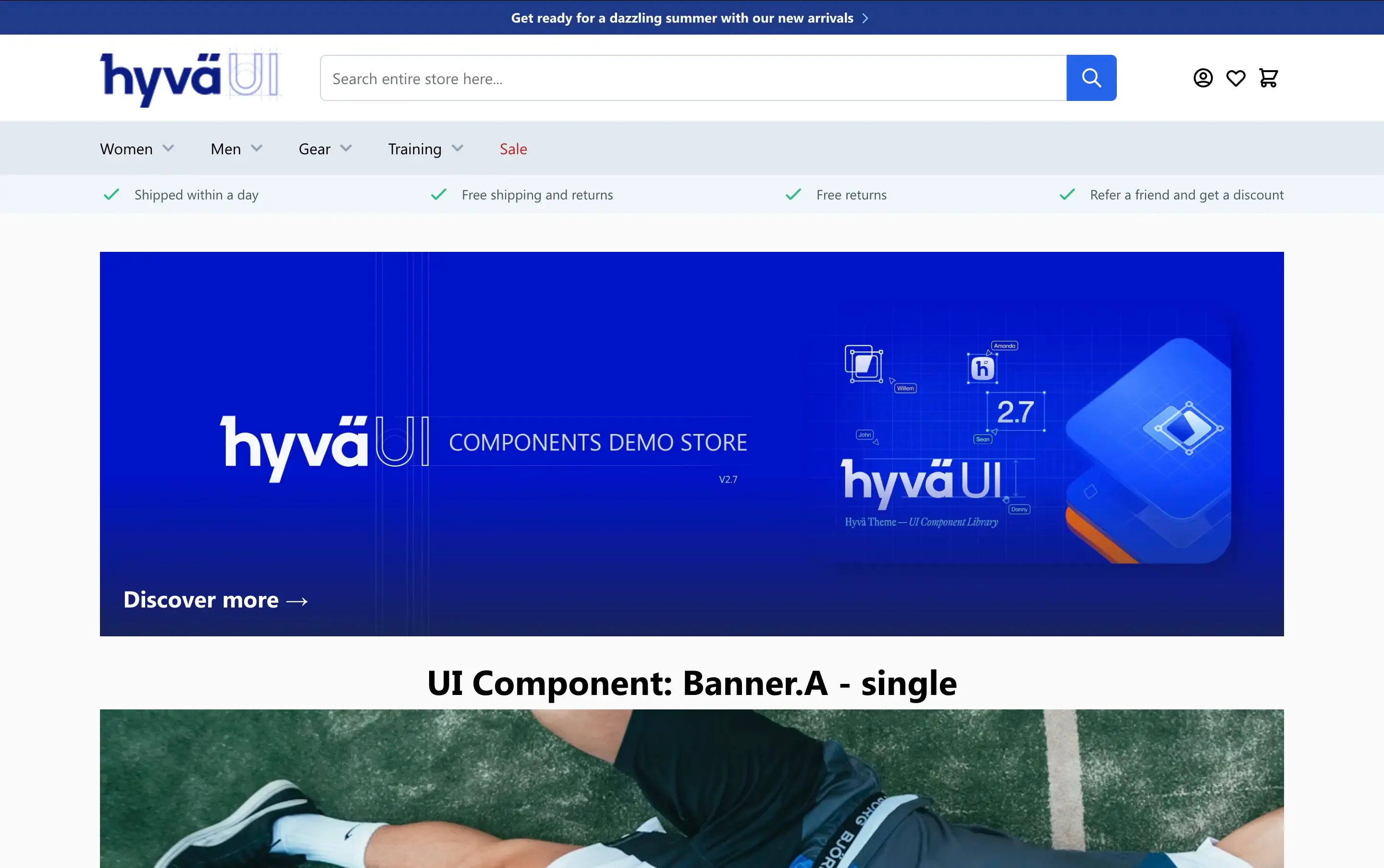
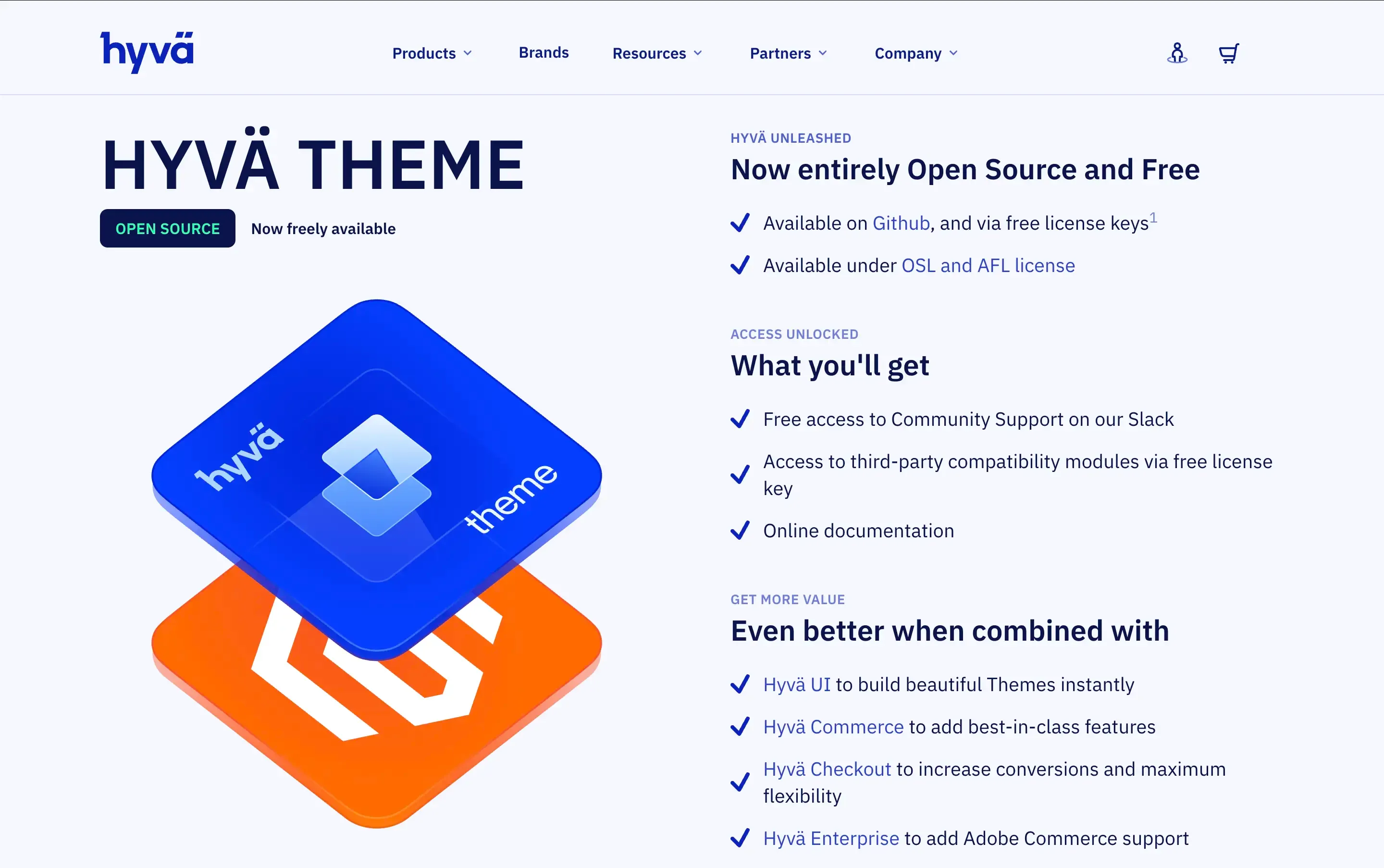 In combination with UI components development of Hyva Theme (adjusting to your design and requirements) goes faster. Check Hyva UI Componens Demo store.
Apps and marketplaces
Shopify (apps)
Shopify’s strength is speed: one-click install and a huge ecosystem. The Shopify App Store positions itself as “Shopify-approved apps,” and cites 8,000+ apps plus a review process.
Apps are easy to install even for non-tech-savvy people.
Adobe Commerce / Magento (extensions)
Adobe Commerce Marketplace is the official ecosystem for extensions and themes. This route often fits teams that prefer engineered solutions and deeper platform integration — but it can come with higher implementation/upgrade overhead.
Business takeaway:
- Shopify apps = faster to try, easier to replace, but risk of app sprawl.
- Magento extensions/custom = deeper fit, but more responsibility during upgrades.
Analytics and reporting: dashboards vs “ask-and-get” reporting
Shopify / Shopify Plus
Shopify Sidekick can generate custom reports and data visualizations in ShopifyQL. Sidekick also helps generate ShopifyQL queries in the report editor.
Adobe Commerce
Adobe positions Adobe Commerce Intelligence (formerly Magento BI) as a cloud-based analytics platform for consolidating data and building reports.
Magento Open Source
Magento reporting is usually shaped by your stack (GA4 + BI + ERP/PIM data). You can build exactly what you want, but it’s rarely “instant answers” unless your data layer is mature.
Sales and merchandising features
Shopify / Shopify Plus
Shopify shines in “out-of-the-box selling” patterns: fast catalog setup, broad sales channels, and a deep ecosystem to add promotions, bundles, subscriptions, loyalty, etc. Many advanced merchandising patterns are app-driven.
Magento Open Source / Adobe Commerce
Magento is strong when sales logic becomes a competitive advantage: complex pricing, custom promotions, unique catalogs, and deep checkout logic.
Adobe Commerce adds more enterprise merchandising tooling, for example, Adobe’s Live Search and product recommendations are positioned as AI-powered personalization and discovery features.
How to decide:
- If you need “standard eCommerce with great speed-to-market,” Shopify often wins.
- If you need “we sell in non-standard ways,” Magento/Adobe often wins.
Marketing features: built-in tools vs ecosystem depth
Shopify / Shopify Plus
Shopify has a growing set of built-in marketing tools and automation:
- Shopify Flow for workflow automation
- Shopify Email / Messaging positioning for email/SMS
- Marketing automation
Magento Open Source / Adobe Commerce
Magento is flexible: you can integrate any ESP/CRM/CDP and build custom lifecycle flows but you own the integration and data discipline.
Adobe Commerce becomes especially strong if your org is already in the Adobe ecosystem (analytics/personalization/content tooling), because the commerce layer can plug into broader marketing operations.
SEO in 2026: classic SEO + GEO (AI discovery)
Classic SEO still matters (crawlability, performance, internal linking), but GEO adds a new goal: being “recommendable” in AI answers.
- Shopify: solid baseline SEO, but some technical levers are more constrained; outcomes depend heavily on theme quality, content depth, and product data consistency.
- Magento / Adobe: more control over templates, structured data, multi-store SEO logic, and feed strategy but you need governance to avoid inconsistency.
Summary
Magento and Shopify are both strong platforms, but they solve different problems. The right choice depends on where your business is today and where it's heading.
Shopify is the fastest path from idea to revenue. Managed hosting, built-in AI tooling with Sidekick, and a huge app ecosystem mean you can launch, iterate, and scale with a small team. Shopify Plus extends this with enterprise governance, B2B features, and the new agentic commerce channel — making your products discoverable and purchasable inside AI chats. If speed-to-market and operational simplicity are your priorities, Shopify is hard to beat. Our Shopify development team builds custom stores, apps, and integrations that go beyond what off-the-shelf themes and apps can deliver.
Magento Open Source and Adobe Commerce are the right fit when your business logic doesn't fit a template. Complex B2B workflows, custom checkout, deep ERP/CRM/PIM integrations, multi-store architectures, and full control over your frontend and data — this is where Magento shines. With Hyvä Theme, Magento's performance gap disappears: Hyvä-powered stores achieve Core Web Vitals scores competitive with Shopify while keeping the flexibility that drew you to Magento in the first place. Our Magento development practice covers everything from greenfield builds to performance audits, migrations, and long-term support — backed by 16 years of experience since the platform's inception.
Not sure which platform fits? The honest answer is: it depends on your catalog complexity, integration requirements, team structure, and growth trajectory. We work across both platforms daily and can help you evaluate the tradeoffs for your specific situation reach out for a conversation.
FAQ: Magento vs Shopify
For most small businesses, Shopify is the clearer starting point. It handles hosting, security, and updates automatically, has a large theme marketplace, and with Sidekick available on all plans in 2026 you can manage your store without technical help. You can be live in days, not weeks.
Magento Open Source is a better fit when your small business has a non-standard catalog structure, needs custom checkout logic, or has a technical co-founder who prefers full code ownership. It can be launched lean — with our 1-Click Magento app on DigitalOcean from $24/month — but you take on more operational responsibility.
Magento Open Source has no platform license fee but "free" is misleading. You pay for hosting, development, extensions, security patching, upgrades, and ongoing maintenance. A simple store typically costs $10,000–$30,000 to build; complex enterprise projects can reach $250,000+. Development alone takes 300–640 hours for a standard store.
Adobe Commerce adds a license fee on top — commonly benchmarked at $22,000+/year, with Adobe Commerce on Cloud at $40,000–$190,000+/year depending on GMV and requirements. For a full breakdown, see our guide: Understanding the True Cost of a Magento / Adobe Commerce Web Store
Shopify prices vary by country. In the Netherlands: Basic €21/mo → Grow €59/mo → Advanced €289/mo → Plus from €2,100/mo (billed yearly).
Beyond the subscription, watch for two things. First, third-party transaction fees: if you use a payment provider other than Shopify Payments, Shopify charges 2% (Basic), 1% (Grow), or 0.6% (Advanced) per transaction. Second, app costs: most meaningful functionality beyond the basics requires paid apps, and app sprawl can easily add $200–$800+/month. Your real monthly cost at scale is often 2–4× the base subscription once you factor in apps and payment processing.
Out of the box, Shopify is faster for most stores. Its managed infrastructure delivers consistent baseline performance without any technical configuration.
Magento's default Luma theme is not performance-optimized and typically needs significant tuning to be competitive. Magento with Hyvä Themes changes this — delivering roughly 50% faster load times than Luma and Core Web Vitals scores on par with Shopify.
For high-traffic stores on either platform, headless architecture (Shopify Hydrogen or Next.js for Shopify; Vue Storefront / Alokai or Next.js for Magento) provides the highest performance ceiling. The Mr Marvis case — the Netherlands' largest Shopify store — achieved a 60% load time improvement by moving to headless Next.js.
Short version: Shopify default > Magento Luma default. Magento + Hyvä ≈ Shopify default. Headless (either platform) > both, at higher cost and complexity.
Adobe Commerce has the strongest native B2B feature set: company accounts, buyer roles and permissions, custom price lists, quotes and negotiated pricing, purchase orders, and requisition lists — all built in.
Shopify Plus has meaningfully improved its B2B capabilities (company profiles, net payment terms, custom catalogs, B2B checkout) and for many mid-market B2B use cases it's now a viable SaaS option. But it still has constraints compared to Magento's fully custom approach.
Complex, multi-tier B2B with quoting and account hierarchies: Adobe Commerce. Mid-market B2B wanting managed SaaS: Shopify Plus. Custom B2B logic with a dev team: Magento Open Source.
Hyva is a modern frontend ecosystem for Magento — not just a theme. It includes a theme, a checkout, a set of UI components, and an growing ecosystem of compatible modules. Everything is built on Alpine.js and Tailwind CSS, designed from the ground up for performance and developer experience.
It replaces Magento's default Luma theme and its underlying frontend architecture, which was not built with modern performance standards in mind. The impact is significant: Hyvä-powered stores load roughly 50% faster than Luma, score better on Core Web Vitals, and are simpler and faster to develop and maintain — because the frontend codebase is dramatically leaner.
Beyond performance, Hyvä also changes how development works. Less JavaScript complexity means faster build times, easier debugging, and lower long-term maintenance cost. Hyvä Checkout is a separate product worth considering if you want a fast, customizable checkout that's simpler to develop and support than Magento's default.
If you're building or rebuilding a Magento store, Hyvä is now the standard recommendation — not a premium option but the right default unless you're going fully headless.
Sidekick Shopify's AI assistant built directly into the store admin, available on all Shopify plans. As of Winter '26, it's embedded into day-to-day store operations rather than being a separate add-on.
Concrete things Sidekick can do: generate custom analytics reports, build Shopify Flow automations from plain-language descriptions, generate theme edits, create customer segments, edit product images, generate internal apps from prompts, help find and install apps, and suggest fixes from error messages.
Shopify also introduced Agentic Storefronts — a way for your products to be discoverable and purchasable directly inside AI tools like ChatGPT, Microsoft Copilot, and Perplexity. This is a new commerce channel that currently favors Shopify merchants.
Both can rank well, but they give different levels of control. Magento gives you more technical SEO flexibility: full control over URL structure, schema markup, canonical tags, multi-store hreflang logic, and custom sitemap generation. This matters at scale or with complex international setups.
Shopify has a solid SEO baseline out of the box and handles many best practices automatically, but some technical levers are constrained by the platform. For most stores this isn't a bottleneck — it shows up at the edges with very large catalogs or complex international SEO strategies.
In 2026, both platforms face a new layer: GEO (Generative Engine Optimization) — appearing in AI-generated answers, not just traditional search. Clean product data, well-structured content, and good schema markup help on both platforms. See our guide on being recommendable in AI answers.
Yes, but its relevance is increasingly concentrated in specific use cases. Magento and Adobe Commerce remain the strongest choice for businesses that need deep customization, complex B2B, multi-store operations, full architecture control, or custom frontend choices like Hyvä or headless.
In 2026, Adobe made the platform more predictable: monthly patch releases from January 2026, Adobe Commerce as a Cloud Service with auto-scaling infrastructure, and Adobe Commerce Optimizer — a high-performance storefront and merchandising layer that can sit on top of other platforms too.
If your requirements fit Shopify's model and you don't need full-stack customization, Shopify is the faster, simpler path. But if your commerce operations are genuinely complex — multi-country, advanced B2B, custom integrations, unique business logic — Magento and Adobe Commerce deliver competitive advantages that SaaS platforms can't easily replicate.
Case Studies

Varus
When Varus, one of Ukraine’s leading grocery chains, set out to modernize their eCommerce, they needed more than just a facelift they needed flexibility, speed, and scale. By going headless with Magento + Vue Storefront, we delivered a custom PWA with deep system integrations and Dark Store support. The result? 800% growth in orders and a future-proof platform built for rapid innovation.
Eastwood
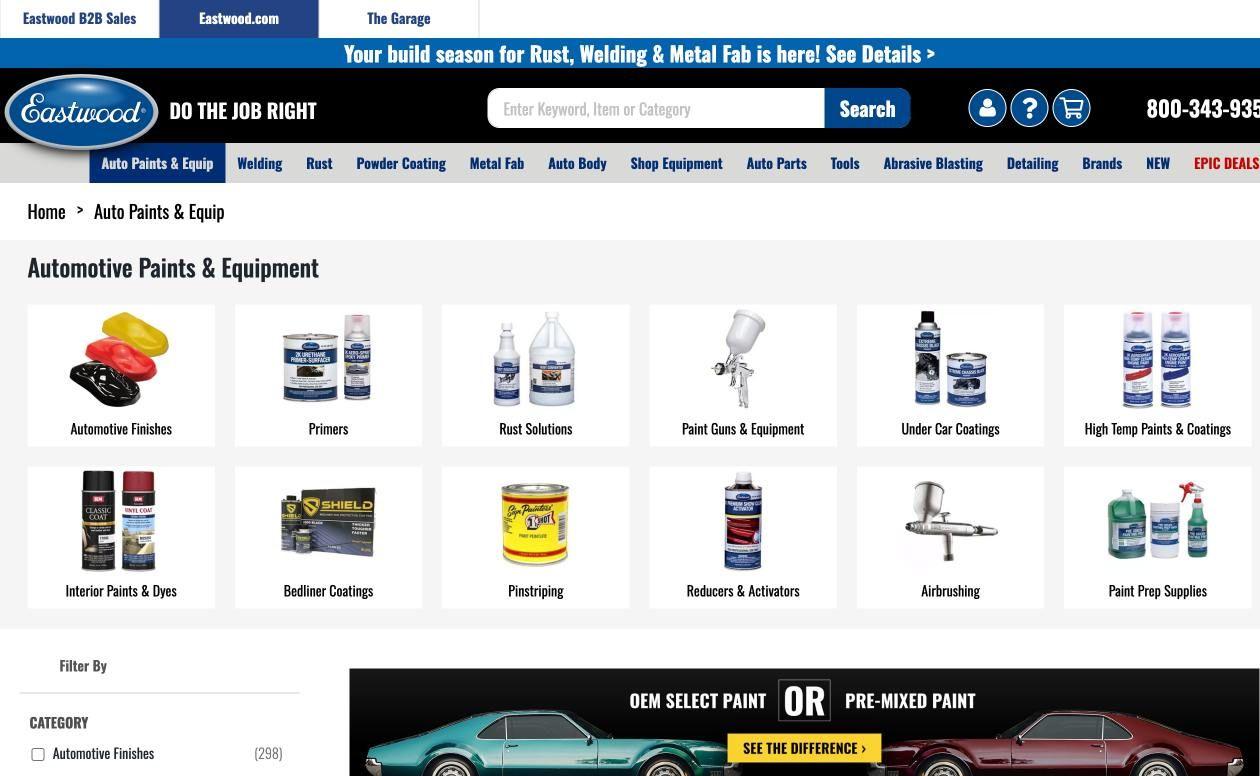
Eastwood, a trusted name in automotive restoration, has partnered with us since 2011 to evolve its Magento platform. From ERP integrations to custom B2B and B2C features, performance optimization, and ongoing support, we’ve built a scalable, high-performing eCommerce solution tailored to their growth.
About the author
Olena Kulbych
CMO
With 12+ years at Eltrino, Olena bridges tech teams and business leaders, sharing Magento, Hyvä, Shopify, performance, and AI insights rooted in real-world eCommerce.


Content
Categories